

Bucket Elevators

Polymer Elevator Bucket
- For Industial use between grain size 0.1 – 100 mm
- Made from durable polymer
- Resistant to plastic deformation
- DIN 15231 – 15234
- Data Sheet

Steel Elevator Bucket
- For Industial use between grain size 0.1 – 100 mm
- Made from high grade alloy steel
- Optional HARDOX lining for abresive use-cases.
- DIN 15231 – 15234
- Data Sheet
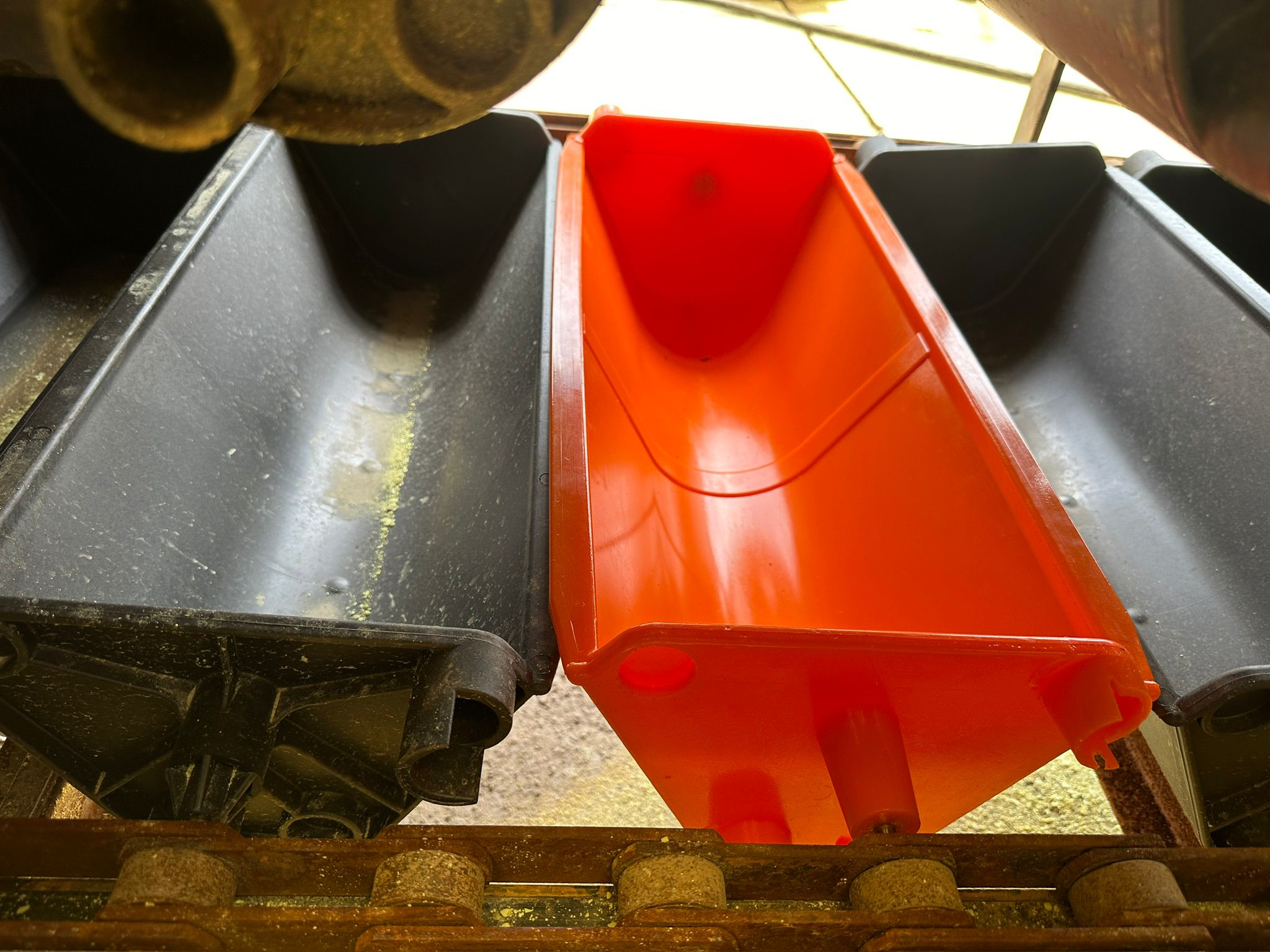
Tailor-made to your needs
- For Industial use between grain size 0.1 – 200 mm
- Can be made from polymer,synthetic and metal
- Resistant to plastic deformation
- Optional HARDOX lining for abresive use-cases.
- Can be made according to samples you provide
Polyurethane elevator buckets offer several key advantages over steel buckets. These benefits become particularly evident depending on the transportation and handling conditions. Here are the main advantages of polyurethane elevator buckets compared to steel buckets:
- Lighter Weight
Polyurethane is much lighter than steel. This helps polyurethane buckets consume less energy during transportation and generate less load. Additionally, their lighter weight can improve the overall performance of elevator systems. - High Impact Resistance
Polyurethane is a flexible and durable material. It is more resistant to impacts and shocks than steel. This property ensures that the bucket systems continue to operate without damage under tough conditions, especially during heavy load handling and impact events. - High Wear Resistance
Polyurethane is extremely resistant to wear, particularly in transportation and industrial applications. Compared to steel buckets, polyurethane lasts longer and requires less maintenance. This makes polyurethane buckets more economical in the long term. - Reduced Noise and Vibration
Because polyurethane is a softer material than steel, it can reduce vibrations and noise in the elevator system. This is particularly advantageous in environments where noise and vibration levels are important. - Chemical Resistance
Polyurethane is more resistant to certain chemicals. While steel buckets may corrode over time in acidic or basic environments, polyurethane can withstand such conditions for a longer period. - Better Molding and Surface Finish
Polyurethane can be molded and processed with high precision, resulting in smoother surfaces and reduced material loss. It can also minimize friction. - Corrosion Resistance
Compared to steel, polyurethane is more resistant to rust and corrosion. While steel buckets may rust quickly in humid or outdoor environments, polyurethane buckets do not face these issues. - Lower Processing Costs
Polyurethane buckets can generally be produced at lower processing and maintenance costs than steel buckets. Additionally, thanks to their light weight and durability, labor and transportation costs can also be reduced. - Flexibility and Compatibility
Polyurethane can be produced in various thicknesses and hardness levels, allowing it to be customized to meet specific needs. This makes it possible to select the most suitable bucket type based on different transportation and handling conditions. - Environmentally Friendly and Recyclable
Polyurethane is recyclable when processed properly, making it a more sustainable material option and environmentally friendly choice.
Conclusion:
Polyurethane elevator buckets offer various advantages over steel buckets, especially in terms of lightness, durability, wear resistance, and superior corrosion resistance. However, both materials may have advantages depending on the specific application conditions. For example, steel buckets may be preferred in applications where very heavy loads are transported, and extreme mechanical strength is required, while polyurethane buckets are more suitable for environments where lighter materials and wear resistance are key considerations.
Sectors
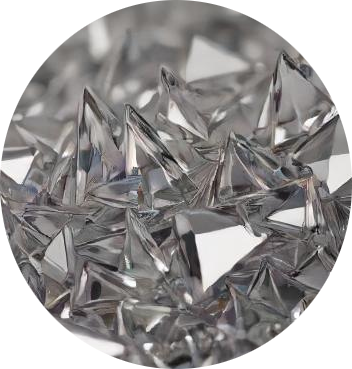
Glass
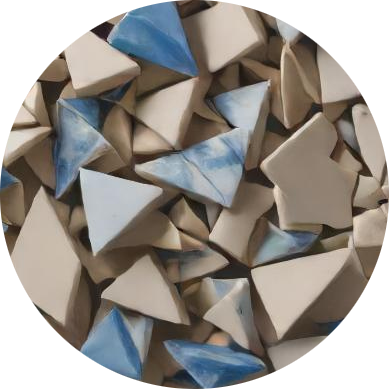
Ceramic
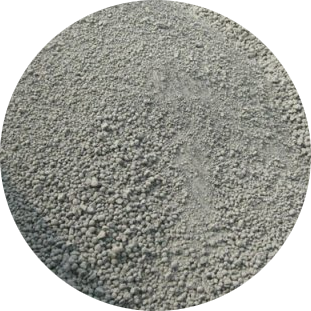
Cement
Mining
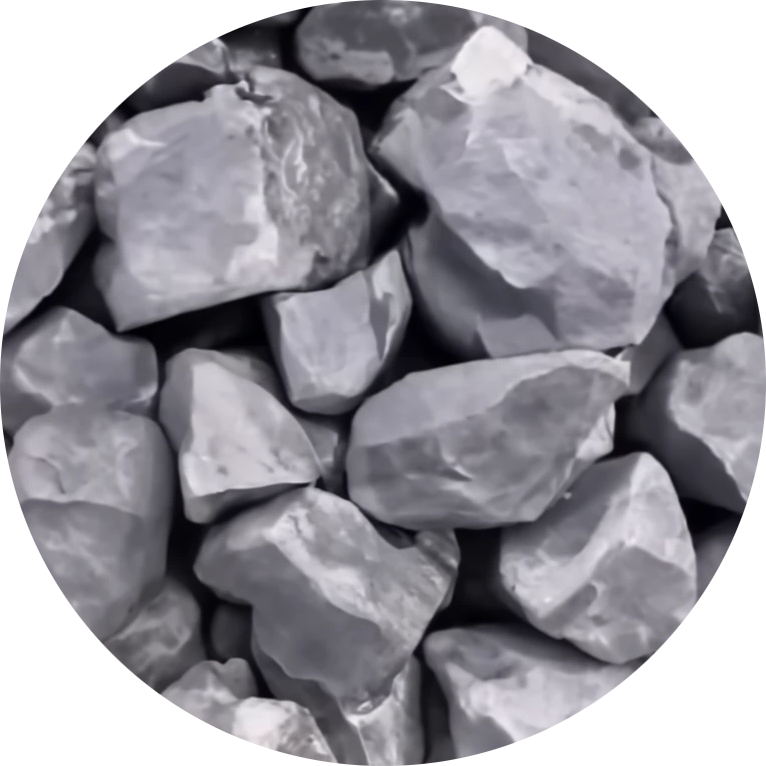
Recycling

Materials
Cullet

Sand
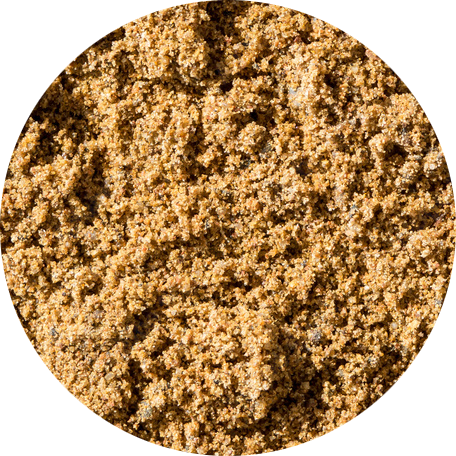
Dolomite
Ore

Bulk

Sizes

Dust
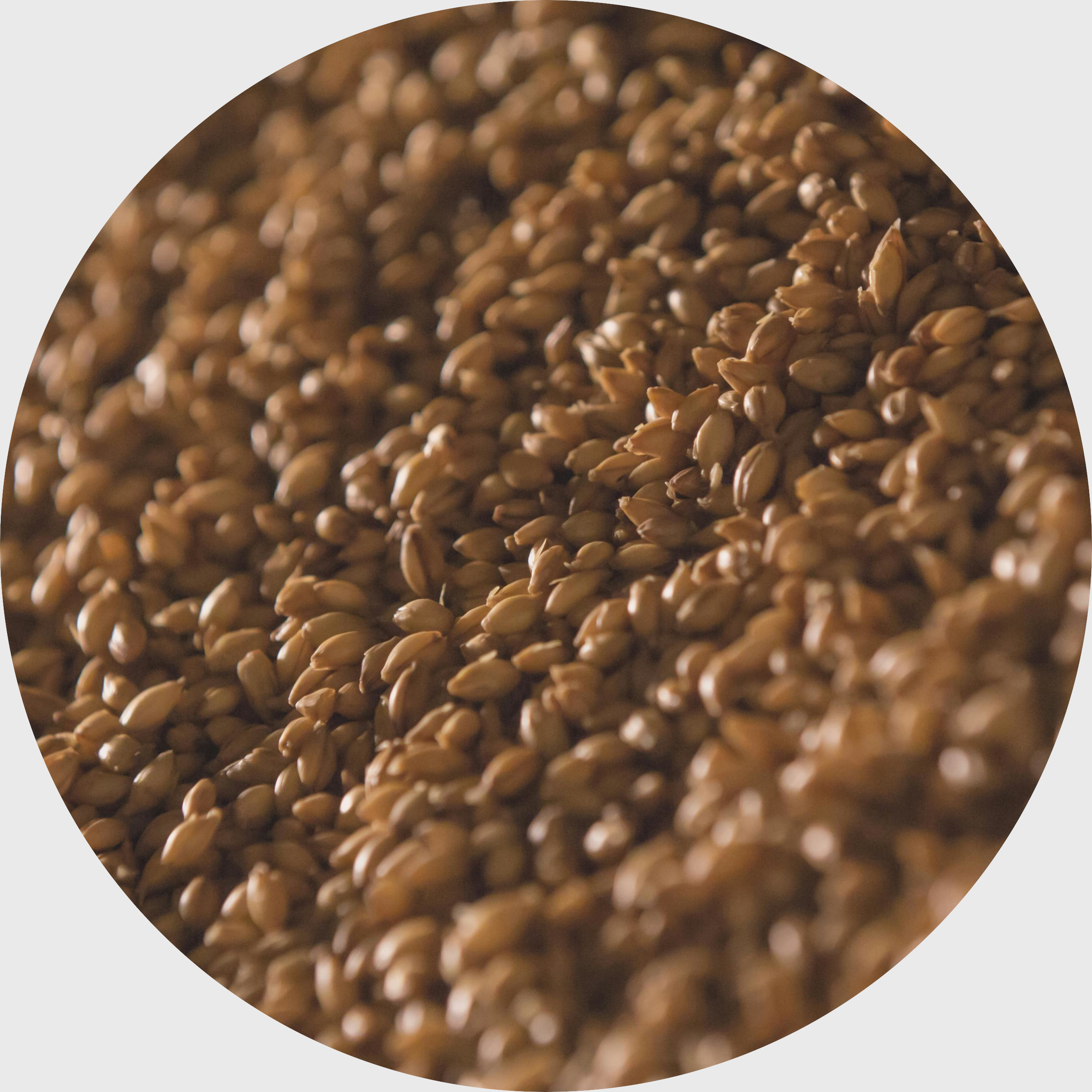
Grain

 defnemekatronik.com